

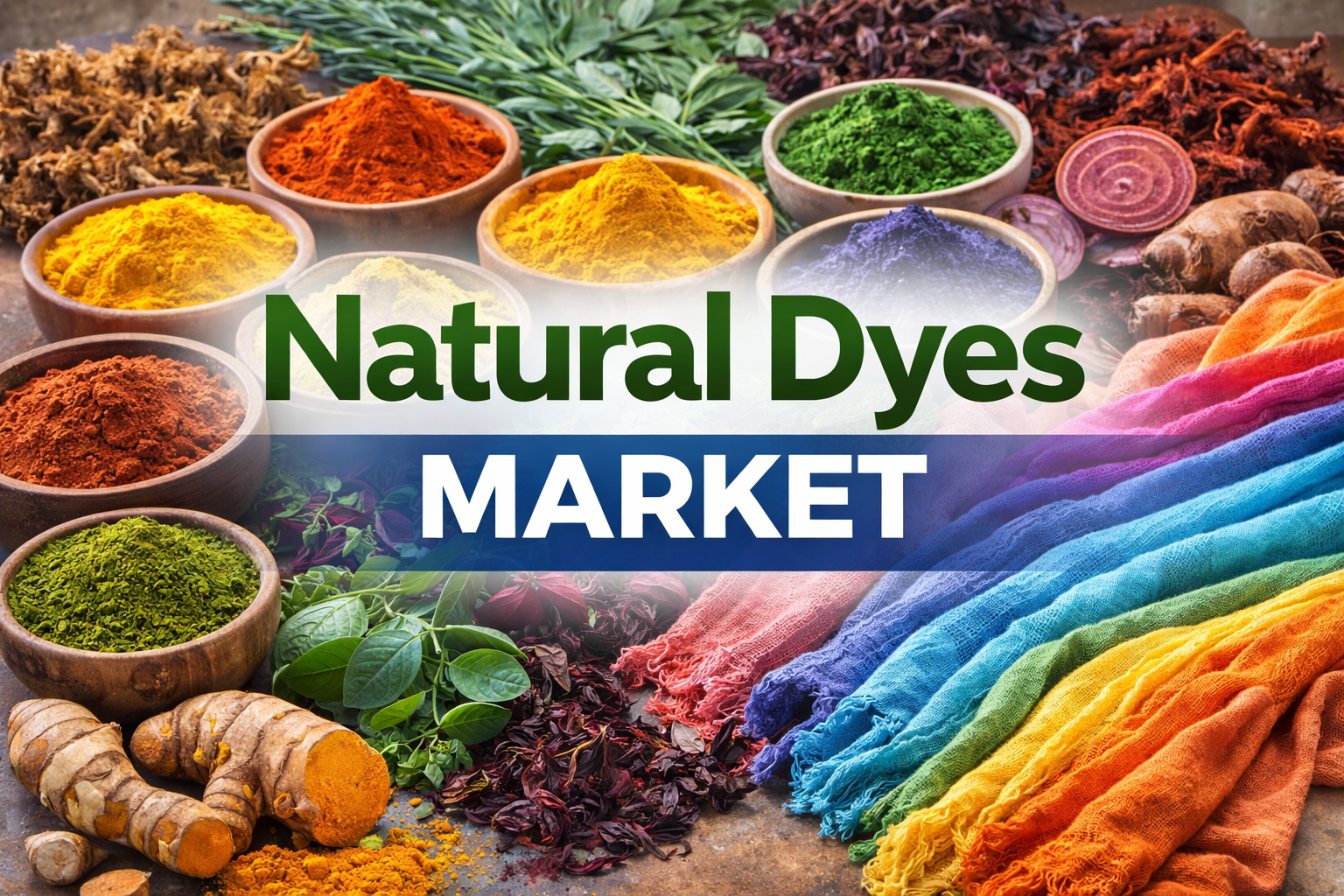
Natural dyes have been regaining popularity in recent years as industries and consumers increasingly seek sustainable, eco-friendly alternatives to synthetic coloring agents. Derived from plants, insects, and minerals, these dyes offer vibrant hues while minimizing environmental impact. With growing awareness about chemical pollution and the health risks associated with synthetic dyes, natural dyes are becoming an attractive choice across textiles, food, cosmetics, and other industries. Their biodegradability, low toxicity, and renewable sourcing make them highly compatible with the global push for sustainable production and consumption practices.
The Natural Dyes Market was valued at USD 4.57 billion in 2023 and is projected to reach USD 7.54 billion by 2032, growing at a compound annual growth rate (CAGR) of 5.73% during the forecast period from 2024 to 2032. This growth reflects the increasing adoption of natural dyes across diverse applications, driven by rising environmental consciousness, government regulations favoring sustainable chemicals, and growing consumer demand for organic and natural products. The steady expansion highlights how natural dyes are evolving from niche artisanal products to mainstream industrial applications worldwide.
One of the primary factors contributing to market growth is the resurgence of eco-friendly and sustainable practices in the textile and fashion industries. Natural dyes are increasingly being used to color fabrics for clothing, home textiles, and accessories. With consumers paying closer attention to the environmental footprint of the products they purchase, brands are shifting toward natural dye solutions to differentiate themselves in the competitive market. Additionally, the use of natural dyes in premium and organic textile segments helps create unique, authentic, and culturally rich products that appeal to environmentally conscious buyers.
The food and beverage industry is another key driver for natural dye adoption. Consumers are seeking products that are free from synthetic additives, including colorants. Natural dyes derived from sources such as turmeric, beetroot, saffron, and paprika provide visually appealing colors without compromising health. With the increasing demand for natural, clean-label products, food manufacturers are integrating natural dyes into beverages, confectioneries, snacks, and dairy products to meet both regulatory standards and consumer expectations.
Technological advancements and product innovation are further supporting the growth of natural dyes. Research is focused on improving dye extraction techniques, enhancing color fastness, and expanding the range of shades available for industrial use. Modern processing methods allow manufacturers to scale production while maintaining consistency and quality, which was previously a major limitation for natural dyes compared to synthetic alternatives. Innovations in encapsulation and stabilization technologies also help improve dye performance in textiles, food, and cosmetics, expanding the potential applications of natural colorants.
The cosmetics and personal care industry is increasingly turning to natural dyes for lipsticks, skincare products, hair colors, and other items. The preference for chemical-free, plant-based ingredients aligns with broader trends in clean beauty and sustainable self-care products. As consumers seek products that are safe, non-toxic, and environmentally friendly, natural dyes provide both aesthetic and functional value. This adoption in high-value segments also contributes to overall market growth and profitability.
Regional dynamics further influence the market’s expansion. Asia Pacific dominates global natural dye consumption due to abundant raw material availability, traditional textile industries, and growing awareness about sustainability. Countries like India, China, and Southeast Asian nations have a rich history of natural dye use, and modern industrial adoption complements traditional practices. North America and Europe, on the other hand, are witnessing steady growth driven by organic and eco-conscious consumer preferences and strict regulations on synthetic dyes. Emerging markets in Latin America and the Middle East are also gaining traction, fueled by increasing urbanization and rising demand for natural and organic products.
Despite the promising growth, the natural dyes industry faces some challenges. Limitations related to color consistency, lower fastness properties, and higher production costs compared to synthetic dyes can affect adoption in certain large-scale industrial applications. However, ongoing research and development, coupled with growing consumer preference for sustainable products, are mitigating these challenges. Partnerships between raw material suppliers, manufacturers, and brands are enhancing supply chain efficiency and promoting innovation in dye formulations.
Looking ahead, the natural dyes sector is expected to experience sustained growth driven by technological advancements, rising consumer awareness, and increasing regulatory support for sustainable practices. The integration of natural dyes into mainstream industries, combined with innovations in color extraction and stabilization, will continue to enhance product performance and expand applications. The market is poised to benefit from the global shift toward sustainability, clean-label products, and environmentally friendly industrial practices.
In conclusion, the global natural dyes industry is on a steady growth trajectory, with its market size expected to rise from USD 4.57 billion in 2023 to USD 7.54 billion by 2032, growing at a CAGR of 5.73%. Its eco-friendly attributes, broad range of applications, and rising adoption across textiles, food, and cosmetics position natural dyes as a vital component of sustainable production and consumer choices. As innovation and awareness continue to drive growth, natural dyes are likely to play an increasingly significant role in shaping a more sustainable and environmentally conscious global industry.