

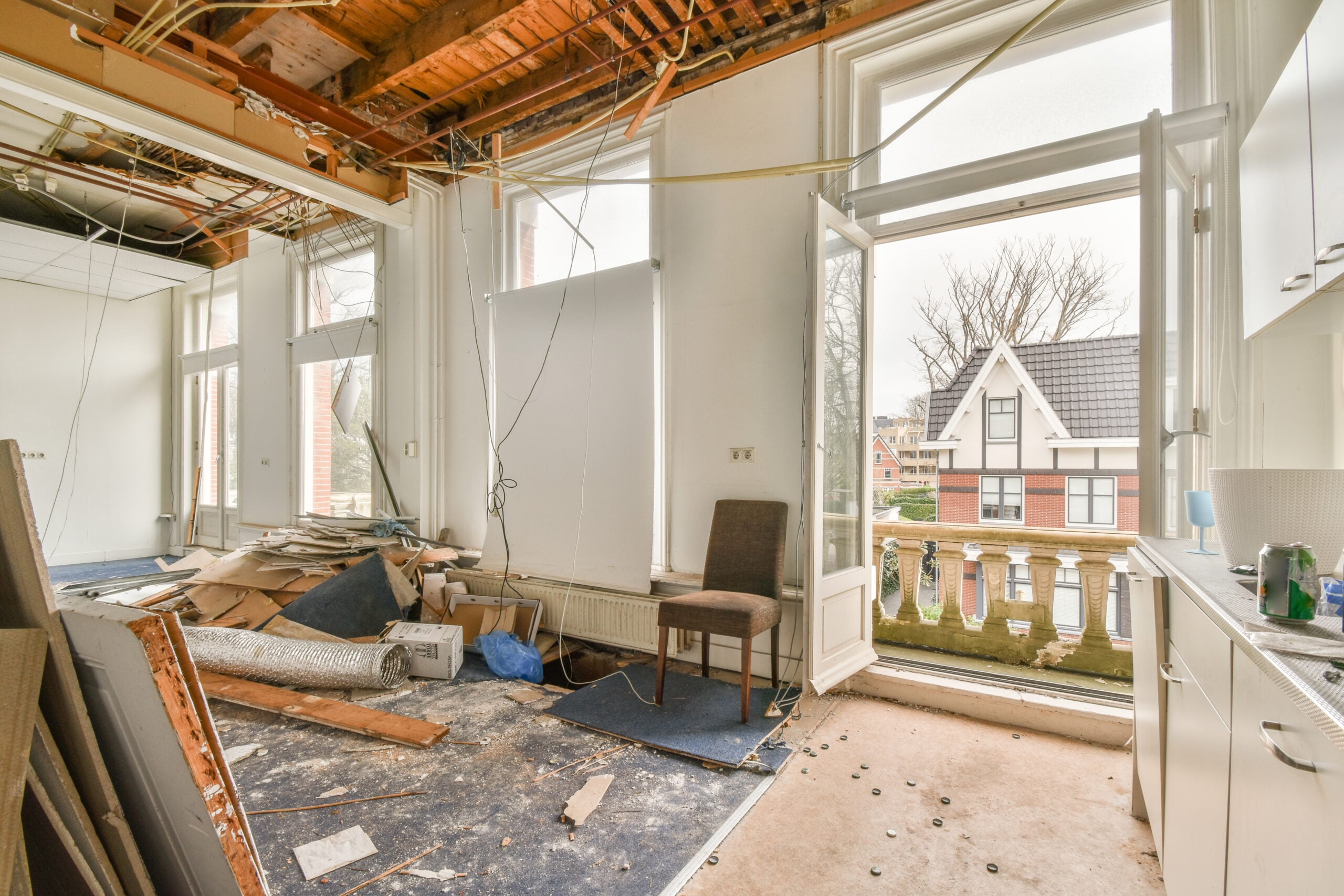
When disaster strikes your home—whether it’s water damage from a burst pipe, fire damage, or mold that’s taken hold in your walls—the pressure to fix things fast can cloud your judgment. Insurance adjusters are calling, your family needs a place to stay, and every restoration company in the phone book seems to promise the same thing: fast, reliable, affordable service. But not all contractors are created equal, and choosing the wrong one can turn a bad situation into a nightmare that drags on for months.
Knowing what separates a trustworthy restoration contractor from a fly-by-night operator can save you time, money, and a mountain of stress.
Start With Proper Credentials
Before you let anyone step foot in your home, verify their licensing and certifications. Reputable restoration contractors should hold certifications from recognized industry organizations that specialize in water damage restoration, fire damage cleanup, or mold remediation. These certifications indicate the contractor has been trained in proper techniques and safety protocols.
Ask for proof of insurance as well. A legitimate contractor carries both liability insurance and workers’ compensation coverage. This protects you if something goes wrong during the restoration process, such as additional property damage or an on-site injury. If a contractor hesitates or can’t produce documentation on request, treat that as a warning sign rather than an oversight.
Look for Local Experience and a Real Track Record
Restoration work is highly localized. A contractor who understands your region’s climate, building codes, and common issues—like humidity-driven mold growth or seasonal flooding—will be better equipped to handle your specific situation. Ask how long the company has operated in your area and request references from recent clients.
Don’t just take their word for it. Search for reviews across multiple platforms, and pay attention to how the company responds to negative feedback. A contractor who addresses complaints professionally demonstrates accountability, while one that ignores or argues with dissatisfied customers may treat you the same way if issues arise.
Get Everything in Writing
A trustworthy contractor will provide a detailed, written estimate before any work begins. This estimate should break down labor, materials, and timeline expectations clearly. Vague or verbal-only estimates leave too much room for scope creep and unexpected charges later.
Make sure the contract specifies what happens if additional damage is discovered mid-project, since restoration work often reveals hidden issues once walls or flooring are opened up. Clarity upfront prevents disputes down the road and keeps everyone accountable to the same expectations.
Understand How They Work With Insurance
Most homeowners rely on insurance to cover restoration costs, so it’s worth asking how a contractor handles claims. Experienced contractors often work directly with insurance adjusters and understand how to document damage in a way that supports your claim. However, be cautious of any contractor who pressures you to sign over your insurance check directly to them before work is complete, or who promises to “handle everything” without keeping you informed.
You should always remain in control of your claim and your payments. A contractor’s role is to support the process, not take it over entirely.
Red Flags That Should Make You Walk Away
Certain warning signs should end the conversation immediately:
- Door-to-door solicitation right after a storm or disaster, especially from contractors with no local address
- Demands for large upfront payments before any work has started
- Pressure tactics urging you to sign a contract on the spot
- No written contract or refusal to put promises in writing
- Unusually low bids that seem too good to be true compared to other estimates
- Lack of local references or an inability to verify past work
Trust your instincts here. Legitimate restoration companies don’t need to pressure homeowners because their reputation and results speak for themselves.
Take Your Time, Even Under Pressure
The urgency of restoration work can make it tempting to hire the first available contractor. But rushing this decision often leads to subpar repairs, inflated costs, or unresolved damage that resurfaces later. Take the time to get at least two or three estimates, verify credentials, and read the fine print before signing anything.
A little patience upfront protects your home, your finances, and your peace of mind in the long run. Choosing the right restoration contractor isn’t just about fixing damage—it’s about restoring your home with confidence that the job was done right the first time.